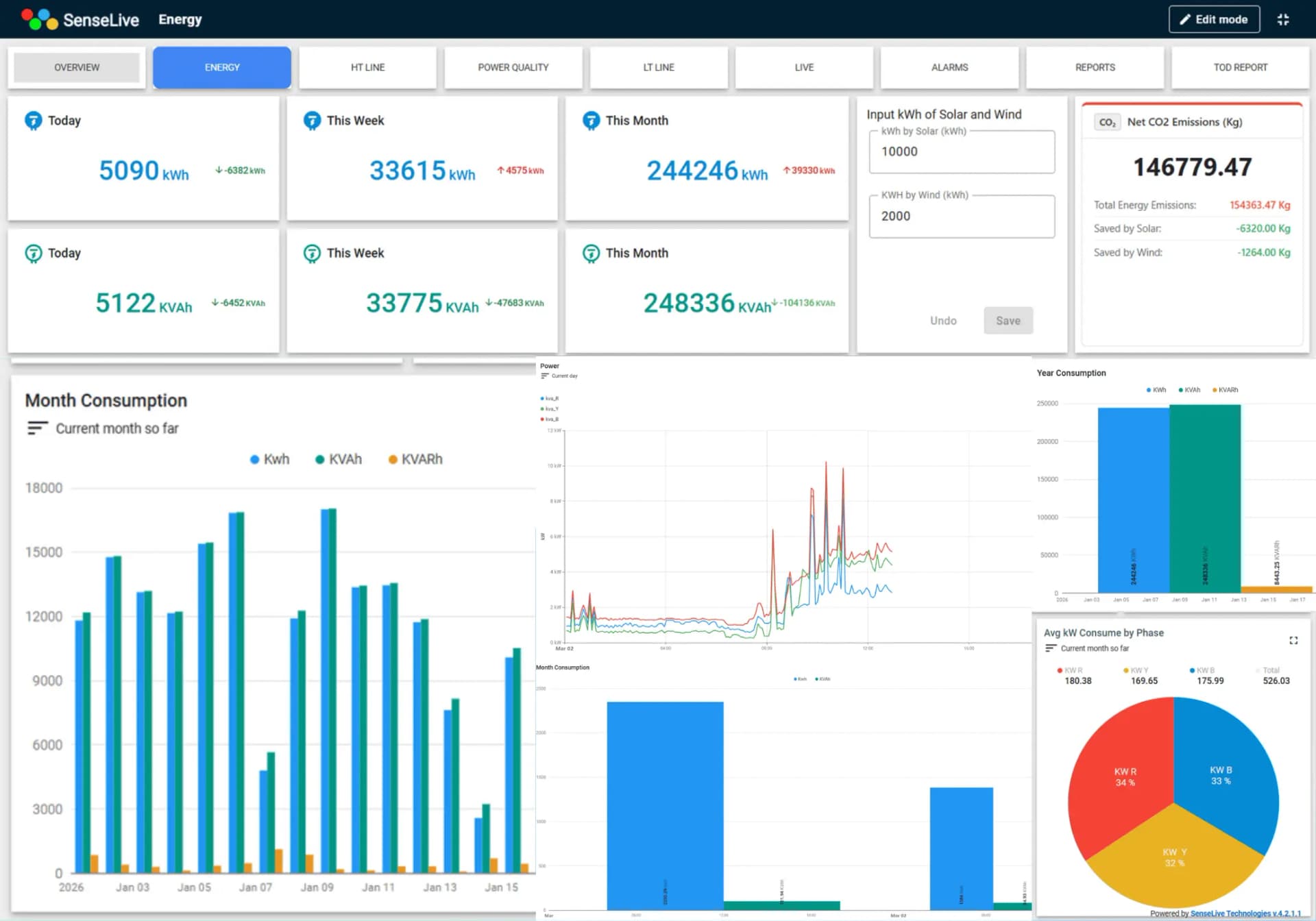
The healthcare industry is undergoing a significant digital transformation, and the Internet of Things (IoT) is at the center of this evolution. By connecting medical devices, sensors, healthcare systems, and patients through the internet, IoT enables real-time monitoring, data-driven decision-making, and improved patient care. Healthcare providers worldwide are adopting IoT-enabled solutions to improve operational efficiency, reduce costs, and deliver better patient outcomes. Platforms like SenseLive industrial IoT help hospitals and clinics connect legacy equipment to secure cloud dashboards without replacing existing infrastructure.
What is IoT in Healthcare?
IoT in healthcare refers to a network of connected medical devices, sensors, wearables, and software platforms that collect and exchange health-related data over the internet. These connected systems allow healthcare professionals to monitor patients remotely, track medical equipment across wards, automate routine processes, improve diagnostics with richer data, and enhance overall patient safety. Rather than relying on periodic check-ups alone, care teams gain a continuous view of health status that supports earlier intervention and more informed clinical decisions.
Key Applications of IoT in Healthcare
Remote Patient Monitoring
Remote patient monitoring systems use wearable devices and sensors to track vital signs including heart rate, blood pressure, oxygen saturation, body temperature, and glucose levels. Doctors can review this information in real time without requiring frequent hospital visits, which reduces readmissions, eases pressure on emergency departments, and helps patients with chronic conditions manage their health at home. For many facilities, remote monitoring has become a practical extension of in-person care rather than a separate technology project.
Smart Medical Devices
Connected medical equipment provides continuous health data and alerts healthcare professionals when abnormalities are detected. Smart ECG monitors, connected insulin pumps, smart inhalers, and wireless blood pressure monitors are common examples. Because these devices stream data automatically, clinicians spend less time on manual readings and more time on interpretation and treatment planning. When integrated with hospital information systems, smart devices also create a more complete longitudinal record for each patient.
Hospital Asset Tracking
Hospitals use IoT-enabled asset tracking to locate and manage critical equipment such as ventilators, wheelchairs, infusion pumps, and diagnostic machines. Real-time visibility improves equipment utilization, reduces search time during emergencies, and lowers the risk of misplaced or underused assets. Similar predictive maintenance approaches applied to electrical infrastructure help hospitals and malls protect power systems that support life-critical operations around the clock.
Medication Management
IoT-enabled medication management helps patients take doses on schedule and notifies caregivers when a dose is missed. Better adherence leads to fewer treatment gaps, reduced medication errors, and improved long-term outcomes, especially for elderly patients and those on complex regimens. Connected dispensers and mobile reminders bridge the gap between prescription and daily practice, giving families and clinical teams shared visibility without constant manual follow-up.
Predictive Maintenance for Medical Equipment
IoT sensors continuously monitor machine performance and detect anomalies before equipment fails. Predictive maintenance reduces unplanned downtime, lowers repair costs, and increases the reliability of devices that patients depend on. In busy hospitals, a single failed imaging or life-support asset can disrupt entire departments; condition-based monitoring turns maintenance from reactive firefighting into planned, evidence-based work.
Benefits of IoT in Healthcare
Continuous monitoring gives healthcare professionals accurate, timely patient information that supports better clinical judgment. Automated alerts shorten response times during emergencies and critical events, while remote care models reduce unnecessary visits and admissions that drive up cost. Automated data collection also improves accuracy by limiting manual entry mistakes, and facilities can align staffing, equipment use, and workflows with actual demand. Many hospitals pair clinical IoT initiatives with energy management programs to control utility spend in buildings that run twenty-four hours a day.
Challenges of IoT in Healthcare
Healthcare organizations must protect sensitive patient information from cyber threats through encryption, secure gateways, role-based access, and audit logging. Device interoperability remains another hurdle, as equipment from different vendors must communicate using reliable protocols such as MQTT, Modbus, or OPC UA. Providers also need to meet regulatory requirements for data protection and privacy, and dependable network infrastructure is essential so monitoring and alerts are not interrupted during peak load or outages.
Future of IoT in Healthcare
The next phase of healthcare IoT will combine artificial intelligence, predictive analytics, digital twins, edge computing, and fully connected smart hospitals. Together, these capabilities will support personalized treatment plans, faster diagnosis, and proactive care that addresses risks before they become acute events. Organizations that invest in secure, interoperable foundations today will be better positioned to adopt these advances without disrupting patient care.
Conclusion
IoT is revolutionizing modern healthcare by enabling connected medical ecosystems that improve patient care, optimize hospital operations, and support data-driven decision-making. As healthcare providers continue to embrace digital transformation, IoT will play a critical role in delivering efficient, accessible, and patient-centric services. To explore how connected infrastructure can support your facility, review SenseLive connectivity solutions, browse our blog, or contact us for a deployment discussion.
FAQs
How is IoT used in healthcare?
IoT is used for remote patient monitoring, asset tracking, smart medical devices, medication management, and predictive maintenance of critical equipment. These applications connect patients, staff, and machines so care can be coordinated with live data instead of delayed reports.
What are the benefits of IoT in healthcare?
Organizations typically see improved patient care, lower costs through remote monitoring, real-time visibility into vital signs and assets, stronger operational efficiency, and better overall outcomes when systems are deployed with clear clinical and IT governance.
Is IoT secure for healthcare applications?
IoT can be secure for healthcare when deployments use encryption, access controls, network segmentation, and compliance-aligned policies. Security should be designed into gateways, cloud platforms, and device onboarding from the start rather than added after go-live.