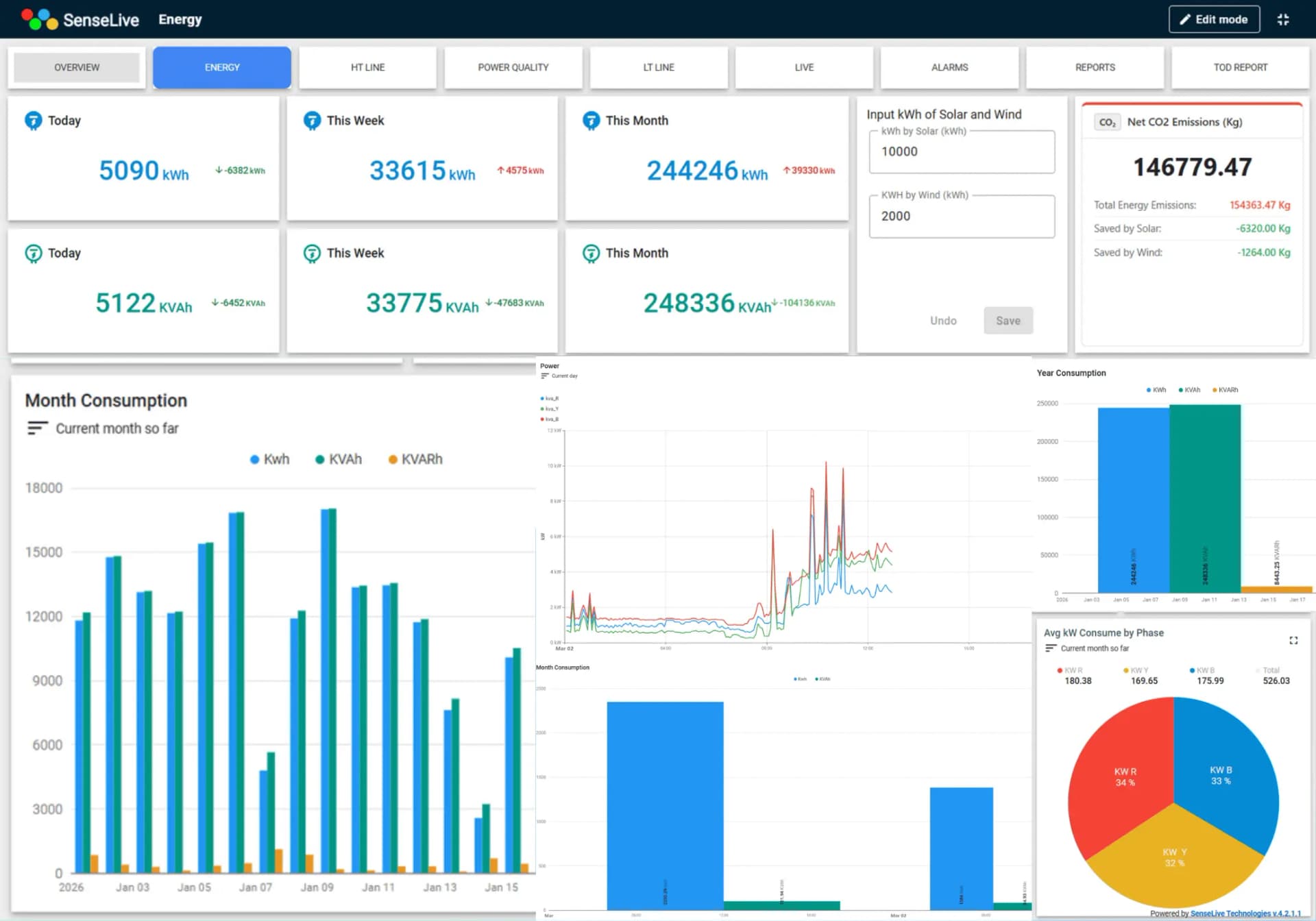
Energy Management Systems: Reducing Costs and Environmental Impact
Energy management systems (EMS) are becoming essential tools for businesses looking to reduce operational costs and minimize their environmental footprint. These systems provide comprehensive monitoring, analysis, and control of energy consumption across facilities.
The Business Case for Energy Management
- Cost reduction: Typically 10-30% savings on energy bills
- Regulatory compliance: Meet increasingly strict environmental regulations
- Corporate sustainability: Support ESG goals and initiatives
- Brand reputation: Demonstrate environmental responsibility to customers
Key Features of Modern EMS
1. Real-time monitoring: Track energy usage across multiple locations and systems
2. Demand response: Automatically adjust consumption during peak pricing periods
3. Anomaly detection: Identify unusual patterns that may indicate equipment issues
4. Reporting and analytics: Generate insights for continuous improvement
5. Integration capabilities: Connect with building management systems and IoT devices
Implementation Strategy
Implementing an effective energy management system requires a strategic approach:
1. Assessment: Evaluate current energy usage and identify opportunities
2. Goal setting: Establish clear, measurable objectives
3. Technology selection: Choose the right solution for your specific needs
4. Deployment: Install hardware and software components
5. Training: Ensure staff can effectively use the system
6. Continuous improvement: Regularly review and optimize
SenseLive EMS Solutions
SenseLive offers comprehensive energy management solutions that provide real-time visibility into energy consumption, automated controls, and actionable insights. Our systems are designed to be user-friendly while delivering powerful capabilities for businesses of all sizes.
Contact our team to learn how SenseLive can help you achieve your energy management goals.